Businesses cannot expect different results by continually relying on the same processes. As competition intensifies and customer expectations evolve, the ability to rethink and redesign business operations becomes essential for survival and growth. Discover how Business Process Re-engineering can help your business reduce costs, improve efficiency and remain competitive.
When a business continues to do the same things, in the same way, it should not be surprising when it keeps achieving the same results. The same level of production, customer base, operational efficiency and profit margins may become the norm, even when the business has the potential to achieve much more. While consistency is important in business, holding on to outdated processes simply because they have always been the way things are done can gradually become a limitation to growth.
The business environment is constantly evolving. Customer expectations are changing, technology is transforming how products and services are delivered, and competition is becoming increasingly intense. A process that was effective when a business had five employees and served 30 customers daily may become inefficient when its workforce expands and customer demand triples. Businesses that fail to recognize these changes risk falling behind competitors who are willing to rethink their operations, adopt better approaches and respond more effectively to market demands.
Regardless of their size or industry, businesses must recognize that the processes that once supported their success may not necessarily be suitable for their current stage of growth. Inefficient processes can result in unnecessary expenses, delayed service delivery, poor product quality and lost customers. In some cases, businesses that fail to adapt may eventually lose their market relevance and struggle to remain operational. This makes the ability to rethink and redesign business operations an important part of long-term business sustainability.
This is where Business Process Re-engineering (BPR) becomes relevant.
Understanding Business Process Re-engineering
Business Process Re-engineering involves the fundamental rethinking and radical redesign of core business processes to achieve significant improvements in critical areas such as cost, quality, service delivery and speed. Rather than simply making minor adjustments to existing procedures, BPR challenges businesses to examine why certain processes exist, whether they are still relevant and how they can be redesigned to deliver better results.
It goes beyond introducing new technology or changing a few operational procedures. It may involve transforming the way employees work, restructuring departments, adopting new technologies, changing organizational responsibilities and completely redesigning how products and services reach customers.
For example, consider a furniture manufacturing company that produces customized furniture for residential and commercial clients. The company relies on manual measurements, paper-based production schedules and informal communication between its sales, design and production teams. As customer orders increase, the business begins experiencing inaccurate measurements, production delays, material wastage and difficulty meeting delivery deadlines.
Simply asking employees to work faster may not solve the problem. The real issue could be the entire production and order-processing structure. Re-engineering these processes by introducing digital design tools, centralized order management, automated production scheduling and better coordination between departments could significantly improve operational efficiency.
The objective is not merely to do existing things faster but to rethink how they can be done differently to achieve better outcomes.
Where Can Businesses Apply Business Process Re-engineering?
Business Process Re-engineering is not restricted to large corporations or complex manufacturing organizations. Businesses across different industries can benefit from examining their existing operations and identifying areas where a completely different approach could produce better results.
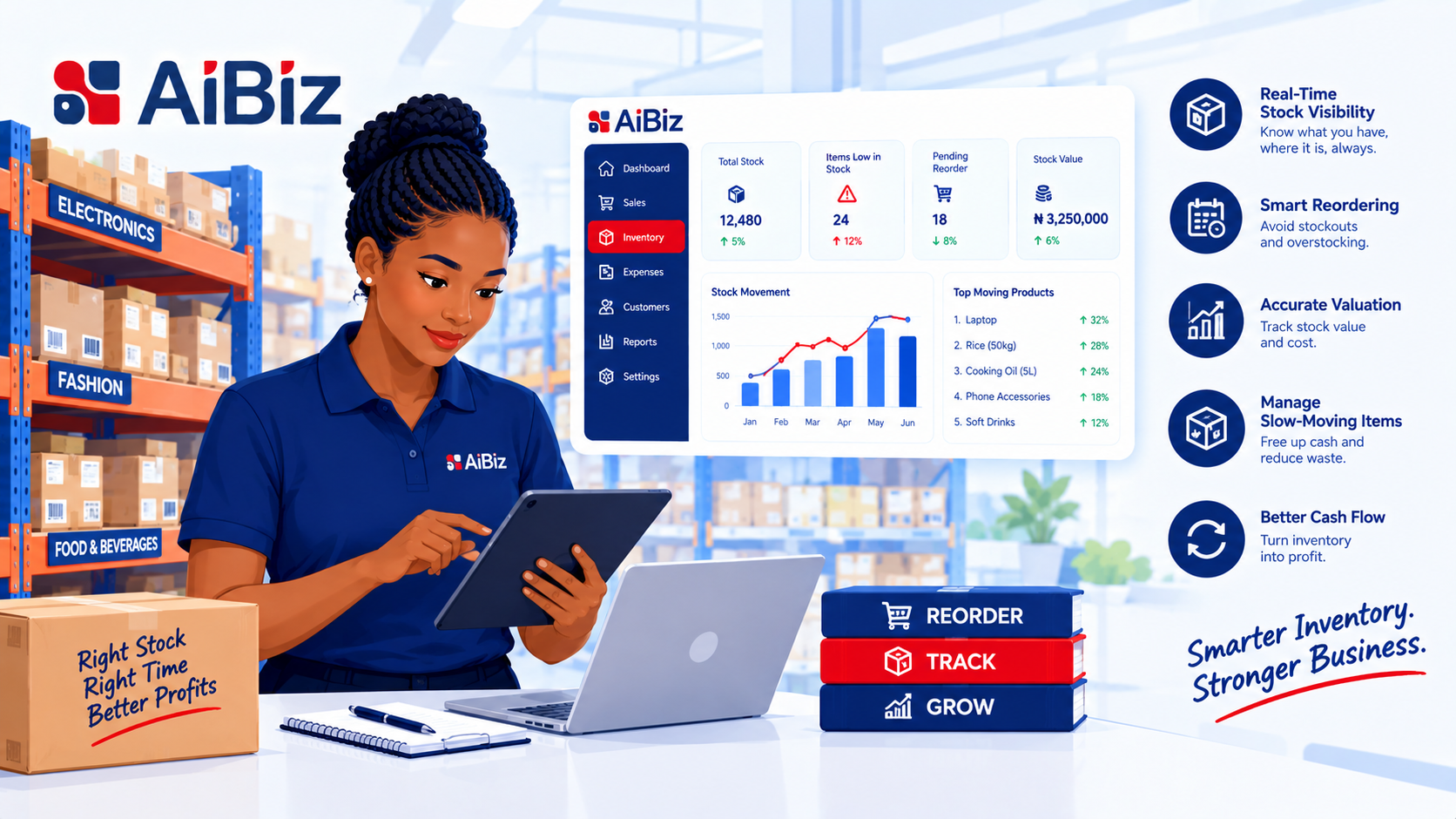
Take the manufacturing process, for instance. A furniture manufacturing company may experience frequent production delays because materials are purchased only when existing stock is almost exhausted. This reactive approach can lead to production interruptions, emergency purchases at higher prices and missed customer orders. Through process re-engineering, the business could introduce a structured inventory management system that monitors stock levels, forecasts material requirements and triggers timely replenishment. It could also reorganize its production layout to reduce unnecessary movement of materials and employees. These changes can reduce waste, improve production capacity and ensure more consistent product quality.
Sales and marketing present another important opportunity. Many businesses still depend entirely on walk-in customers, word-of-mouth referrals and occasional social media posts to generate sales. While these methods may have worked in the past, they may no longer be sufficient to attract and retain customers in an increasingly competitive market. A business could rethink its sales process by introducing a digital sales platform, maintaining a customer database, adopting targeted digital marketing and establishing a structured follow-up system for prospective customers. For example, a fashion retailer could move from manually recording orders through social media messages to using an online ordering platform that captures customer details, confirms payments and tracks deliveries. This would reduce missed orders, improve customer experience and create opportunities to reach customers beyond its immediate location.
Employee management is another area where existing processes may require significant changes. In some organizations, employee appraisal is conducted informally, with management relying largely on personal observations or general impressions when assessing performance. This can make it difficult to identify productivity gaps, reward outstanding employees or determine where additional training is required. A re-engineered appraisal process could introduce measurable performance indicators, regular feedback sessions and digital performance tracking. Rather than waiting until the end of the year to evaluate employees, management could monitor performance continuously and address challenges as they arise. This creates a more transparent system that connects individual contributions with the overall objectives of the business.
Administrative and office operations can also benefit from re-engineering. Consider a business where employees must physically submit documents for approval, obtain several signatures and move between departments before a simple request can be processed. This can consume valuable time and delay important decisions. By adopting digital document management, electronic approvals, cloud-based collaboration tools and automated workflows, the business can reduce unnecessary paperwork and simplify communication. Employees can access relevant documents remotely, management can approve requests more quickly, and important records can be stored and retrieved more easily.
Customer service is equally important. A business that handles every customer complaint through scattered phone calls, social media messages and handwritten records may struggle to track unresolved issues or identify recurring complaints. Re-engineering this process through a centralized customer relationship management system can help the business record complaints, assign responsibilities, monitor resolution timelines and identify areas requiring improvement. This allows the business to move from simply responding to complaints to systematically improving the customer experience.
Ultimately, the areas requiring re-engineering will depend on the nature of the business, its operational challenges and the results management hopes to achieve.
What Drives the Need for Business Process Re-engineering?
The decision to re-engineer business processes often begins when existing methods can no longer deliver the results required by the business. One major trigger is increasing competition. When competitors introduce faster delivery systems, better customer service, improved product quality or more affordable offerings, businesses that continue operating with outdated processes may find it difficult to retain their market share.
Changing customer expectations can also make existing processes ineffective. Today's customers increasingly value convenience, speed, accessibility and personalized experiences. A business that takes several days to process an order when competitors can complete the same transaction within hours may gradually lose customers, even if its products are of comparable quality.
Business expansion is another reason to rethink existing processes. Systems that were sufficient when a business was small may become inadequate as transaction volumes increase, additional employees are recruited and new branches are established. Without redesigning its operations, growth can create more complexity, errors and inefficiencies rather than improved profitability.
Rising operating costs, recurring errors, low employee productivity and frequent customer complaints may also indicate that existing processes need to be reconsidered. Sometimes, the problem is not a lack of effort from employees but an inefficient system that makes it difficult for them to perform effectively.
Technology and regulatory changes can equally create the need for transformation. Businesses that fail to embrace relevant technological developments or adjust their processes to meet new industry requirements may expose themselves to unnecessary costs, compliance risks and competitive disadvantages.
How Can Businesses Implement Business Process Re-engineering?
Successful Business Process Re-engineering begins with understanding what is not working. Before introducing new systems or changing organizational structures, management must examine existing operations to identify inefficiencies, bottlenecks, unnecessary activities and areas where resources are being wasted.
This could mean reviewing how customer orders are received, how inventory is managed, how payments are processed and how products are delivered. Speaking with employees and customers can also provide useful insights into operational challenges that management may not immediately recognize.
Once these weaknesses have been identified, the business must determine what the ideal process should look like. This requires moving beyond simply improving existing procedures and considering entirely different ways of achieving the desired outcome. Management should establish clear objectives, such as reducing order-processing time, lowering production costs, improving customer satisfaction or minimizing inventory losses.
The next stage involves designing the new processes and determining the resources required to implement them. Depending on the business, this may involve adopting appropriate business management software such as AiBiz, automating repetitive tasks, restructuring employee responsibilities, improving communication channels or introducing new operational procedures. For instance, a retail business struggling with inaccurate stock records could adopt an integrated business management solution that connects sales transactions with inventory records, ensuring that stock levels are updated automatically as sales occur.
Implementation should be properly managed. Employees need to understand why the changes are necessary, how the new processes will work and what is expected of them. Training is particularly important because even the most effective system may fail if employees do not understand how to use it. Where possible, businesses can introduce significant changes in phases, test the new processes and address challenges before implementing them across the entire organization.
However, Business Process Re-engineering does not end with implementation. Management must continuously evaluate whether the redesigned processes are delivering the expected results. Comparing performance before and after implementation using indicators such as operating costs, production output, order-processing time, customer retention and error rates can help determine whether the changes have achieved their objectives. Where results fall short, further adjustments may be necessary.
What Does Your Business Stand to Gain?
The benefits of Business Process Re-engineering extend beyond simply improving how daily activities are performed. One of its most significant advantages is cost reduction. By eliminating redundant activities, reducing material wastage, automating repetitive tasks and improving resource allocation, businesses can lower operating expenses and make better use of available funds.
It can also improve productivity and operational efficiency. When processes are properly designed, employees spend less time dealing with unnecessary procedures and more time performing activities that contribute directly to business objectives. This can increase output without necessarily requiring a corresponding increase in operating costs.
Another important benefit is improved product and service quality. Reducing manual errors, establishing clearer procedures and improving coordination can help businesses maintain more consistent standards. Customers are more likely to remain loyal to a business that consistently delivers quality products and reliable services.
BPR can also improve customer satisfaction by making transactions faster, communication easier and service delivery more reliable. When customers can place orders conveniently, receive timely updates and resolve complaints without unnecessary delays, their overall experience improves.
Furthermore, redesigned processes can make businesses more adaptable and scalable. With better systems, clearer responsibilities and more efficient workflows, businesses are better positioned to accommodate increasing demand, introduce new products, expand into new markets and manage additional branches without allowing operational complexity to overwhelm them.
The Future Belongs to Businesses That Are Willing to Rethink
Business growth is not always about selling more products, opening additional branches or recruiting more employees. Sometimes, the most important step towards growth is examining the way the business currently operates and recognizing that there may be a better way to achieve the same objectives.
Business Process Re-engineering challenges business owners and management teams to question established practices, identify what is holding their operations back and embrace more effective ways of working. It requires the willingness to move beyond the comfort of familiar procedures and make changes that can produce meaningful improvements.
This does not necessarily mean investing in expensive technology or completely overhauling the entire organization at once. It begins with identifying the processes that are limiting performance and making deliberate decisions to redesign them.
The business environment will continue to evolve, customer expectations will keep changing, and competition will continue to raise the standard of service delivery. Businesses that remain committed to outdated practices risk being overtaken by those that are willing to adapt.
Ultimately, a business cannot expect different results if it is unwilling to rethink the processes that produce those results. Sustainable growth requires more than maintaining operations; it requires continuously evaluating, improving and, when necessary, reinventing the way business is done.